The Hidden Psychological Toll of Artificial Intelligence
We asked the machines to take the load off.
To organize our inboxes. Write our captions. Edit our selfies.
We handed over the tasks that drained us —
but somewhere along the way, we started handing over ourselves.
Because while the machines are learning faster than we ever imagined…
No one asked: What happens to the human mind when we stop trusting it?
AI promised us freedom.
But what we got is something far more subtle:
A quiet erosion of self-worth.
The rise of invisible insecurity
It begins with convenience:
An app that drafts your emails.
A chatbot that finishes your thoughts.
An algorithm that knows your taste better than you do.
And before you realize it, you’re second-guessing every creative impulse.
Why write when ChatGPT can do it better?
Why paint when an image generator can finish in seconds?
Why speak up when someone else already optimized the perfect version of your message?
The more brilliant AI becomes, the more we begin to doubt the brilliance of being… simply human.
A new kind of comparison game
Social media once made us compare our bodies.
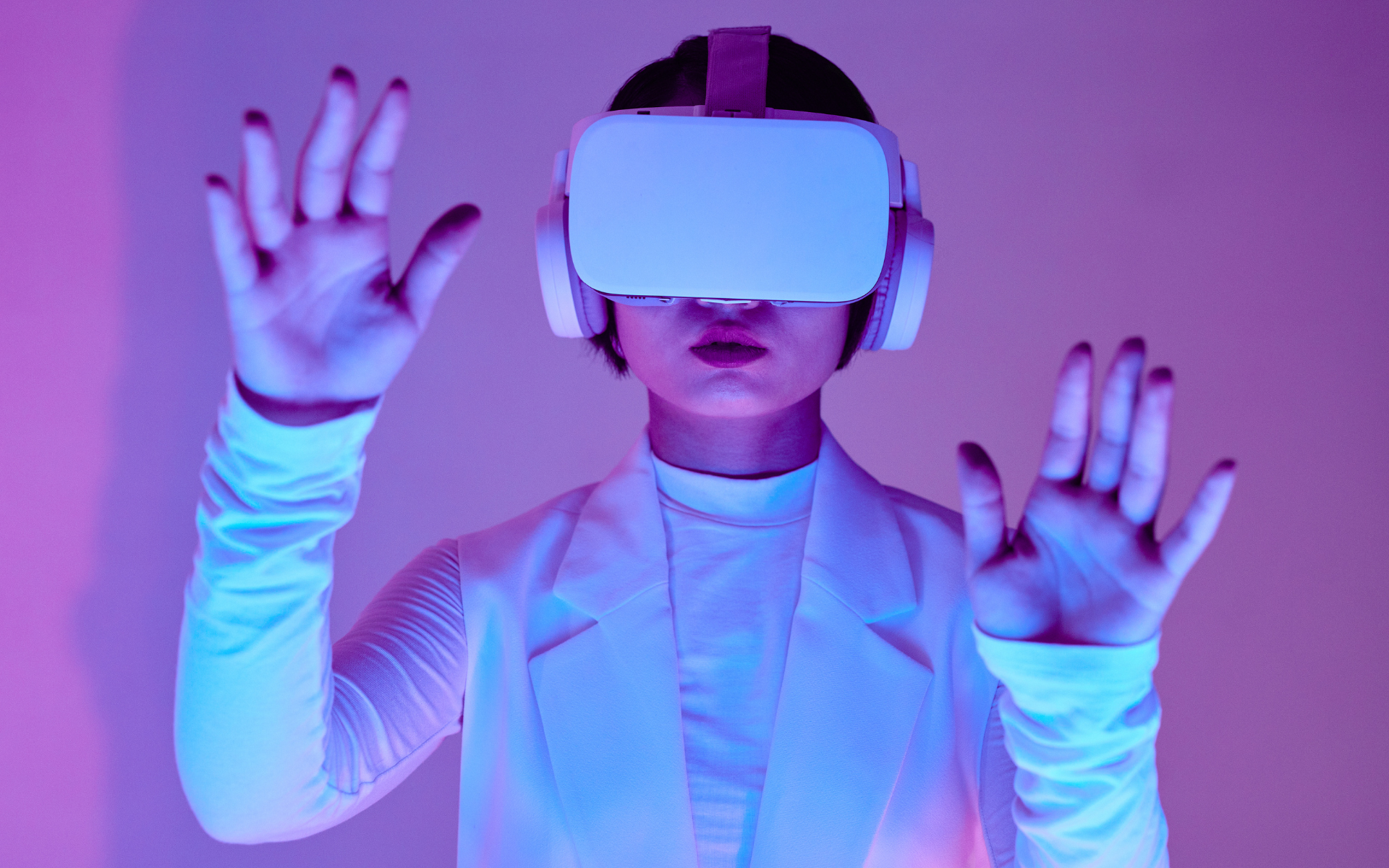
Now, AI makes us compare our minds.
We’re not just up against each other anymore.
We’re up against code — tireless, optimized, objective.
It never needs rest.
It never feels impostor syndrome.
It never forgets a password or cries in the bathroom between meetings.
And that can leave us with a question no productivity guru ever prepared us for:
What is the value of human creativity in a world of perfect machines?
The emotional weight of being „less needed”
We thought AI would give us time.
And in many ways, it has.
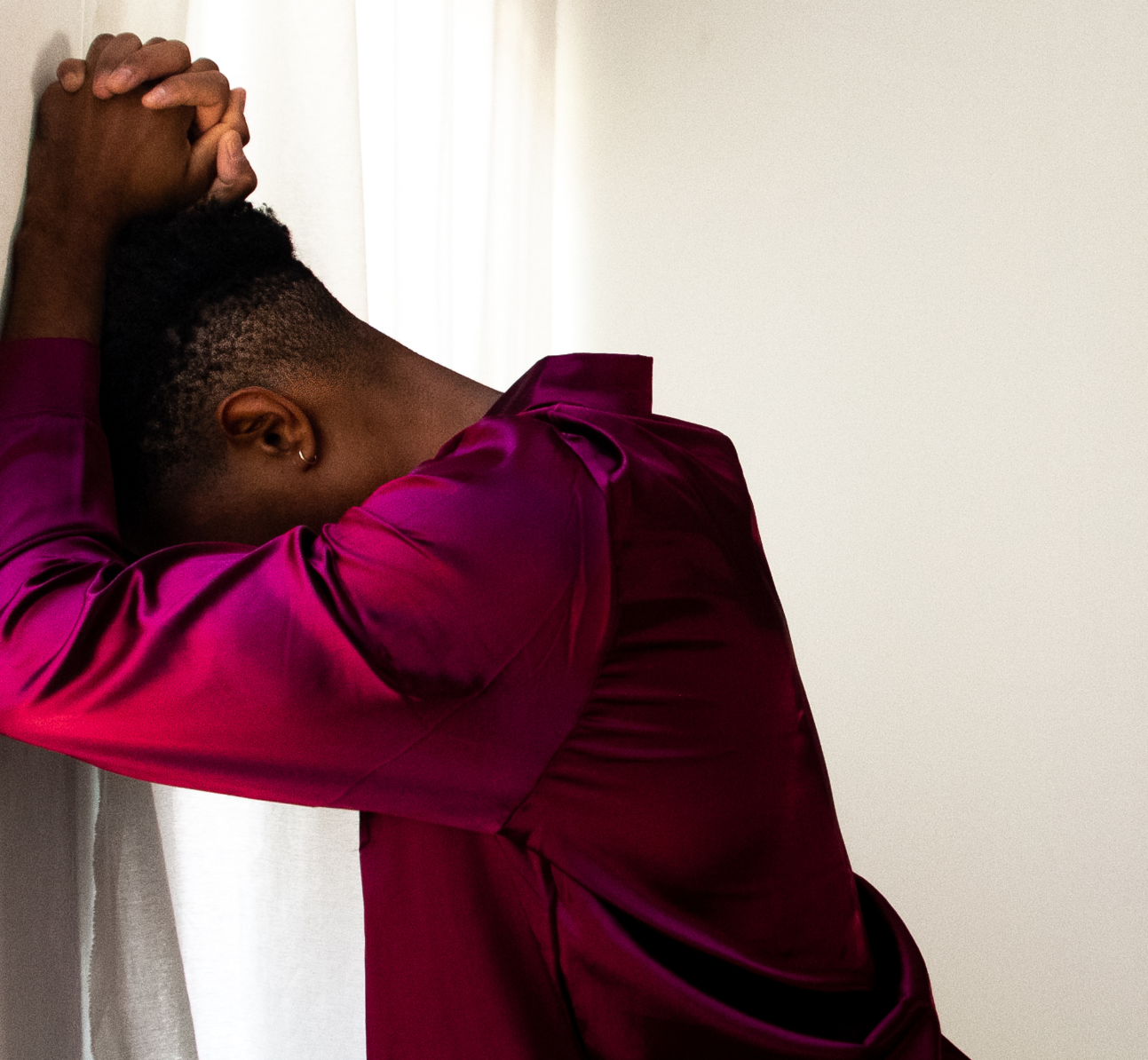
But it’s also giving us existential unease —
especially for creatives, thinkers, feelers, writers, and entrepreneurs.
It’s the silent ache of being replaced —
not by someone better,
but by something incapable of soul.
And while your job title may survive,
your inner voice — the one that once said “you’re good at this” —
starts to whisper less often.
But here’s the truth AI can’t touch:
It can replicate output.
But not essence.
It can mimic your style.
But not your story.
It can write like you.
But it can’t write from your heartbreak. Or your humor. Or your grandmother’s kitchen. Or that night you almost gave up and didn’t.
AI is brilliant.
But you are irreplaceable.
Not because of what you do — but because of how you feel.
Protecting your mental space in the age of intelligent everything:
-
Create just for the joy of it. No prompts. No purpose. Just you.
-
Remind yourself that art isn’t only about outcome — it’s about presence.
-
Spend time offline, reclaiming your intuition.
-
Talk to real people. Often. Deeply. Clumsily.
-
Build a relationship with technology — but keep your identity in human hands.
The machines are learning.
And yes — they’re extraordinary.
But while they evolve at breakneck speed,
you are allowed to evolve softly.
To pause. To feel. To forget things.
To be imperfectly brilliant.
Because being human?
Isn’t a bug.
It’s the entire feature.
💬 How do you feel about AI in your daily life — empowered, uneasy, both? Let’s have the kind of messy, human conversation no algorithm can replace. 🤍